The Second-Chance Speech Every Candidate Gives — and the Clemency Plan None of Them Have
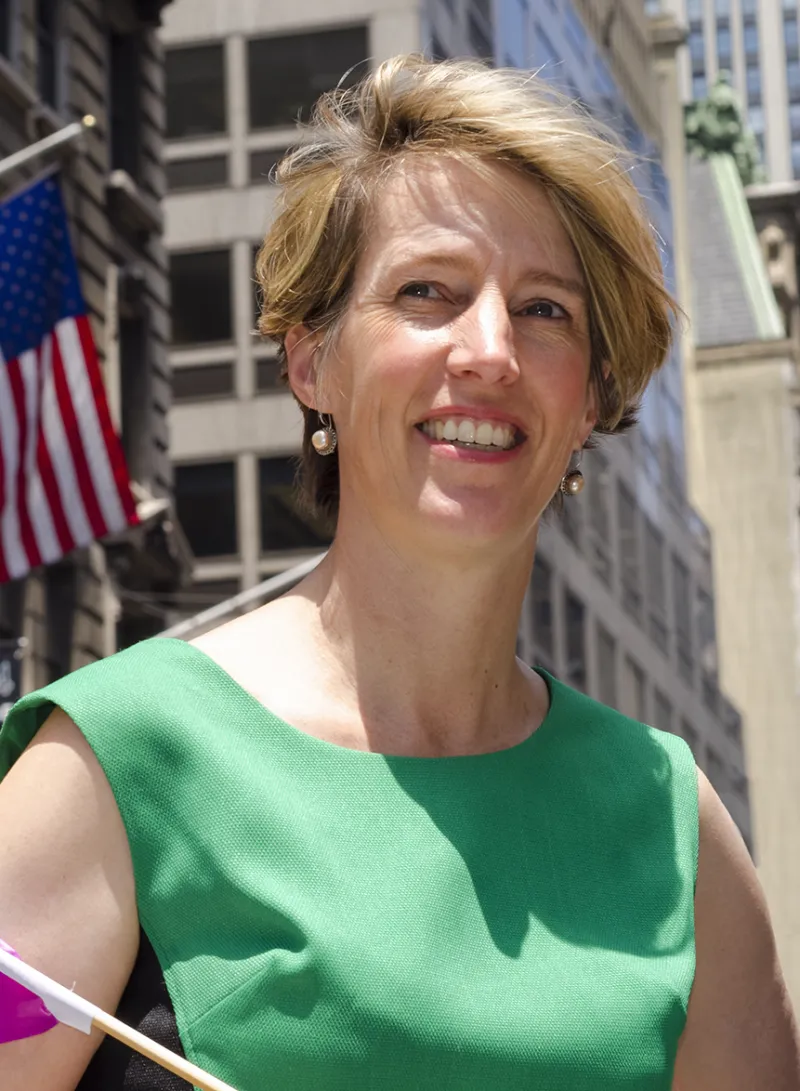
Photo: Digital Media, CC BY 2.0, via Wikimedia Commons
Watch enough campaign events and you will hear the paragraph. It arrives near the end of the stump speech, usually after the line about fighting for forgotten Americans: something about second chances, about a country that believes in redemption, about people who made mistakes and paid their debt. It is one of the few genuinely bipartisan sentiments left in American politics. It is also, in nearly every case, hollow.
Because here is what the second-chance paragraph never includes: a number. A timeline. A structure. Anything that could be checked after Inauguration Day.
The Rhetoric-Results Gap
The modern presidency has made a habit of treating the pardon power as a rhetorical ornament rather than a governing tool. Some administrations have used it sparingly out of political caution; others have used it liberally but erratically, rewarding allies, celebrities, and the occasionally well-connected while the backlog of ordinary petitions swelled past 49,000. What no administration has done in the modern era is treat clemency as a system — with public metrics, published timelines, and a commitment to processing the queue rather than cherry-picking it.
Candidates in both parties have learned the same lesson from watching this record: vague mercy is cost-free, but concrete mercy creates a scoreboard. Promise to 'consider' clemency and no one can fault you. Promise to grant 1,000 pardons a year to nonviolent offenders within eighteen months, and suddenly you own a number that opponents and journalists can measure.
That's precisely why voters should start demanding the number.
What a Real Commitment Looks Like
A serious clemency platform doesn't require a candidate to prejudge individual cases. It requires them to answer structural questions:
- Throughput. How many petitions will the Office of the Pardon Attorney resolve per year? A system receiving thousands of filings annually cannot credibly claim to function while resolving a few hundred.
- Timeline. What is the maximum wait between filing and decision? Petitioners today can wait a decade without so much as a status update — a due-process failure by any standard.
- Transparency. Will the administration publish aggregate data on grants, denials, and processing times, broken down by offense type and demographics?
- Structure. Will the clemency process be moved out of the DOJ — where prosecutors effectively review their own work — into an independent clemency commission, as reform advocates have long proposed?
None of these commitments requires a candidate to promise mercy to any specific person. All of them would transform the pardon power from a lottery of influence into an actual institution.
The Economic Case the Candidates Are Missing
There is also a constituency argument that campaign consultants have yet to price correctly. Tens of millions of Americans carry conviction records, and research consistently shows those records function as a permanent tax on earnings, housing, and civic participation — costs that ripple through families and communities in every swing state. The states that have moved aggressively on record clearing have done so with bipartisan votes, because redemption polls well across lines that divide on nearly everything else.
A candidate who connected clemency reform to economic mobility — who said, plainly, my administration will clear the federal backlog within four years and publish the numbers every quarter — would not be taking a risky position. They would be claiming credit for a reform the country is already moving toward without them.
Hold the Line on Vagueness
So between now and 2028, when a contender reaches the redemption paragraph in their stump speech, the question to ask is simple: How many? How fast? Under what rules?
If the answer is another variation on 'America is a land of second chances,' that is not a policy. It is a placeholder. The pardon power is one of the few instruments that can undo a federal wrong in a single signature — and the measure of the next president will not be how beautifully they talk about mercy, but whether they built a machine that actually dispenses it.