Pardon49K Justice Delayed Is Justice Denied

Justice Delayed Is Justice Denied

Pardon49K

Stories, ideas & perspectives — thoughtfully written, beautifully told.

How State Governors Are Leaving the White House Behind on Criminal Clemency Reform
Cover story

How State Governors Are Leaving the White House Behind on Criminal Clemency Reform

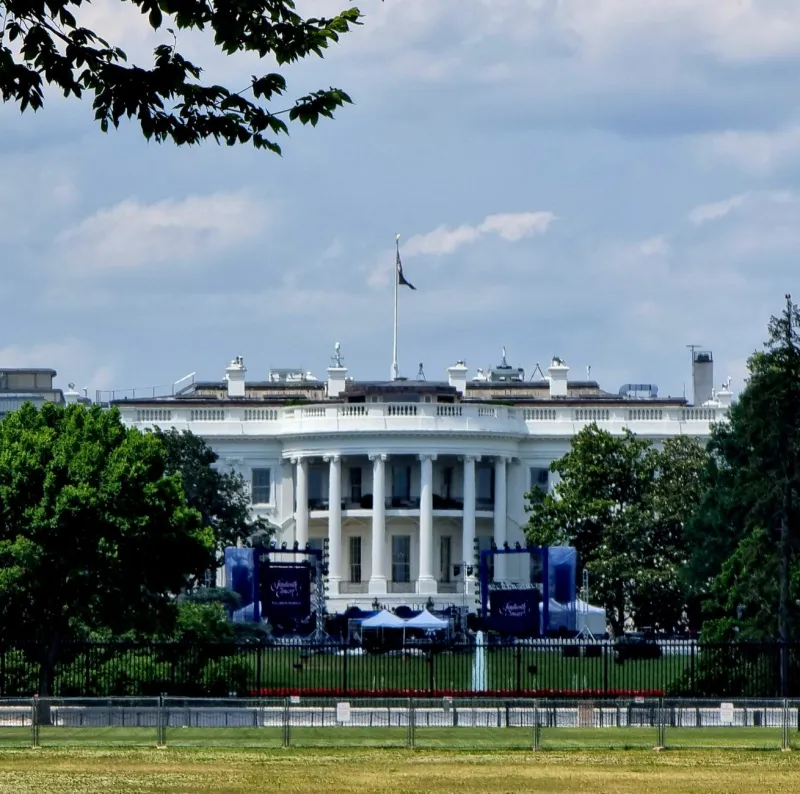
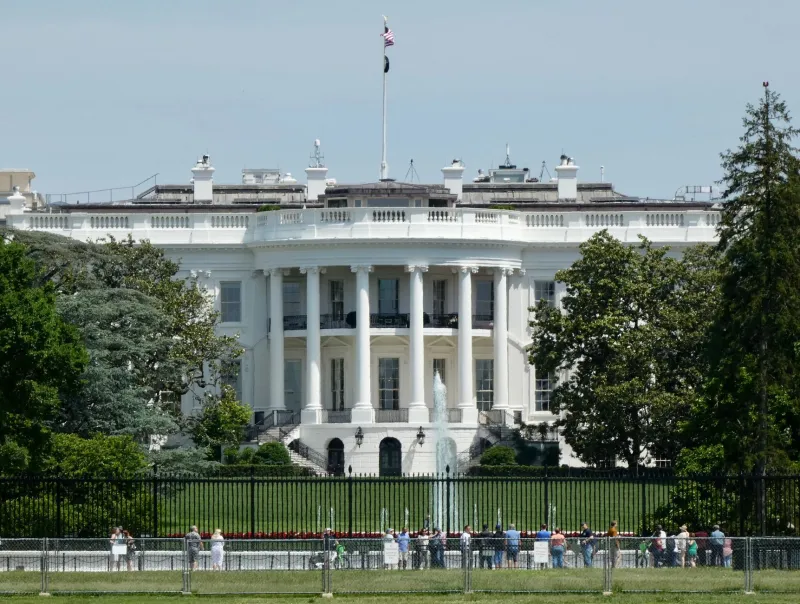
While the federal pardon process remains mired in decades-old procedures and a backlog that now exceeds 49,000 petitions, a number of state governors have quietly transformed their clemency systems into models of efficiency, transparency, and proportionality. The contrast is instructive—and the gap is growing. Federal reform is not only possible; it is overdue, and the blueprint already exists.

Read the story →

Latest Articles

Economic Justice

The Punishment That Never Ends: Life Under the Shadow of a Conviction Record

For millions of Americans, the end of a prison sentence does not mean the end of punishment. A conviction record follows people into rental offices, licensing boards, child custody hearings, and social relationships—functioning as an indefinite sentence imposed not by a judge, but by bureaucratic and social systems that were never designed to end. Pardons and expungement are not acts of charity. They are the minimum that justice requires.

Seven Faces of a Broken System: The Clemency Cases That Should Have Been Decided Years Ago 03
Economic Justice

Seven Faces of a Broken System: The Clemency Cases That Should Have Been Decided Years Ago

Behind the 49,000 petitions gathering dust in the Office of the Pardon Attorney are real human beings—veterans, caregivers, first-time offenders—whose lives remain suspended in bureaucratic limbo. These seven cases illustrate with painful clarity how clemency in America is not administered by principle, but by privilege. Access to lawyers, media platforms, and political connections determines who gets heard and who gets forgotten.

Where You Live Determines Whether You're Forgiven: The Geographic Lottery of American Clemency 04
Economic Justice

Where You Live Determines Whether You're Forgiven: The Geographic Lottery of American Clemency

In America, the likelihood that a person with a conviction record will receive a pardon depends less on the nature of their offense or the sincerity of their rehabilitation than on the state in which they happen to reside. A sweeping look at state-level clemency data reveals a patchwork system so inconsistent that geography has become the single most reliable predictor of whether second chances are granted at all. This is not justice — it is a lottery with life-altering stakes.

49,000 Petitions, Zero Accountability: The Structural Rot at the Heart of Presidential Clemency 05
Economic Justice

49,000 Petitions, Zero Accountability: The Structural Rot at the Heart of Presidential Clemency

Nearly 49,000 clemency petitions are currently languishing in a federal pipeline that was never engineered to deliver timely justice — it was engineered to delay it. A close examination of the pardon infrastructure reveals not a system struggling under unexpected demand, but one that is performing precisely as its flawed design intends. Until Congress intervenes with binding legislative reform, the backlog will not shrink; it will grow.

A Petition Filed, a Life on Hold: The Crisis Inside America's Broken Pardon Pipeline 06
Economic Justice

A Petition Filed, a Life on Hold: The Crisis Inside America's Broken Pardon Pipeline

Tens of thousands of clemency petitions sit buried inside a federal office that lacks the resources, political will, and structural capacity to process them in any meaningful timeframe. For the 49,000 Americans whose applications remain unresolved, the promise of presidential mercy has become something far crueler: an indefinite waiting room with no visible exit.

Locked Out of Democracy: The Quiet Disenfranchisement of Millions Who Have Already Paid Their Debt 07
Economic Justice

Locked Out of Democracy: The Quiet Disenfranchisement of Millions Who Have Already Paid Their Debt

An estimated 4.6 million Americans who have completed their sentences remain barred from voting due to a patchwork of state felony disenfranchisement laws that fall hardest on Black and Latino communities. At Pardon49K, we believe that a democracy which permanently silences its own citizens is a democracy in name only. This piece examines how presidential pardons and systemic reform can restore not just livelihoods — but voices.

Conviction Records Are Costing the U.S. Economy Hundreds of Billions — and We're All Paying the Price 08
Economic Justice

Conviction Records Are Costing the U.S. Economy Hundreds of Billions — and We're All Paying the Price

A criminal record doesn't just follow an individual — it attaches itself to entire families, communities, and ultimately the national economy. New labor data reveals that the cumulative wage suppression caused by conviction records drains hundreds of billions of dollars from the U.S. economy each year, making criminal justice reform not merely a moral obligation but a pressing fiscal one.

Beyond Symbolism: How Presidential Pardons Physically Unlock Doors in the American Workforce 09
Economic Justice

Beyond Symbolism: How Presidential Pardons Physically Unlock Doors in the American Workforce

For millions of Americans carrying conviction records, the barriers to meaningful employment are not merely social — they are written into licensing statutes, federal regulations, and institutional policies that make entire career sectors legally inaccessible. A presidential pardon, far from being a ceremonial gesture, functions as a concrete legal instrument capable of dismantling those barriers and restoring full economic citizenship to people who have already served their time.