The Coalition Nobody Is Counting: Why Second Chances Might Decide 2028
American politics is an engine for producing disagreement, which is precisely why the emerging consensus on criminal record reform deserves attention. Polling across cycles and states has shown majorities of Republicans, Democrats, and independents supporting automatic record clearance for people who have served their sentences and stayed out of trouble. In an era of fifty-fifty electorates, an issue that polls at seventy is not a niche concern. It is a sleeping giant.
The Unlikely Alliance
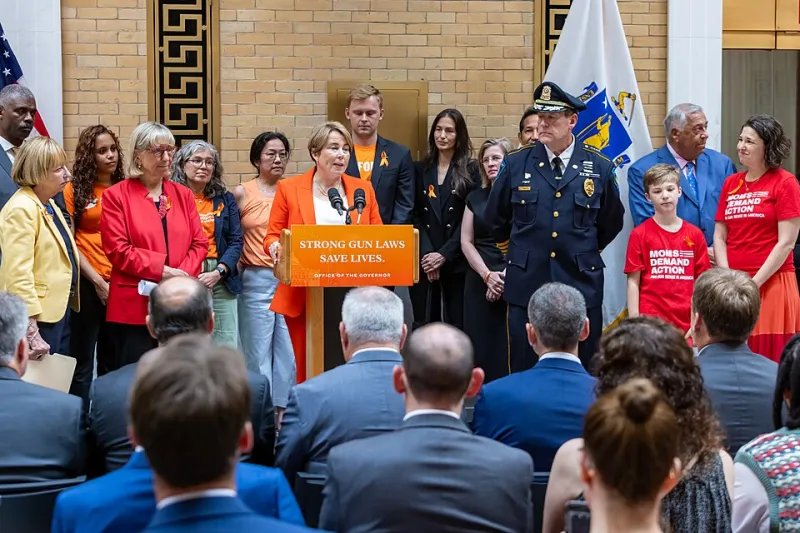
Consider who supports second-chance reform. Faith communities — evangelical, Catholic, Black church traditions alike — frame it as redemption, a theological concept that translates fluently into policy. Libertarians and groups like the right-leaning justice reform organizations see 49,000 unanswered clemency petitions as the federal government failing at the one thing it is constitutionally obligated to administer. Civil rights organizations point, correctly, to the racial disparities embedded in the record system and the collateral consequences that outlast every sentence. And employers — the quietest but most pragmatic voice in the coalition — want the labor force. With millions of open jobs and millions of workers excluded by background checks, the business case writes itself.
No other issue assembles this roster. Immigration divides the coalition. Tax policy divides it. Record reform unites it, because each faction arrives with its own vocabulary and they all point to the same door.
How the 2028 Field Is Positioning
Watch the early primary states and you can see the positioning begin. Governors who have expanded record-sealing or revitalized their pardon boards — Pennsylvania's system being the most-cited example — are already folding those records into their national pitches. On the Democratic side, candidates who once competed on ambitious first-step legislation are shifting toward the execution question: not what law should say, but why the federal machinery answers one percent of the petitions before it. On the Republican side, a reformer's record on mercy offers a way to talk about limited government and personal redemption without tripping the usual culture-war wires.
The smart campaigns understand the deeper logic. Record reform is one of the few issues that lets a candidate tell a story about the country being fair — a story that resonates in rural Ohio and urban Philadelphia alike, because conviction records and their consequences do not check party registration.
What Reform Would Actually Require
The policy agenda is refreshingly concrete. A statutory timeline for federal clemency decisions. Automatic sealing or clearance for qualifying state records, building on the bipartisan Clean Slate momentum in statehouses. Fair-chance hiring rules that give applicants a shot before a background check. Data reporting from the Office of the Pardon Attorney so the backlog cannot hide in a filing cabinet.
None of this is exotic. Most of it has passed somewhere, in some form, with votes from both parties.
The Window Will Not Stay Open Forever
Political windows close. Coalitions that form around an issue disband when the issue stops being useful. But the forty-nine thousand pending petitions are not a talking point that expires; they are a constituency that grows with every year of inaction. Whoever runs in 2028 will inherit the backlog, and voters — the counting kind and the human kind — will be watching to see whether mercy finally moves from the margins of the debate to the middle of it. The coalition is built. The only question is who claims it first.