Offense Hierarchies: The Hidden Calculus That Decides Who Receives a Presidential Pardon

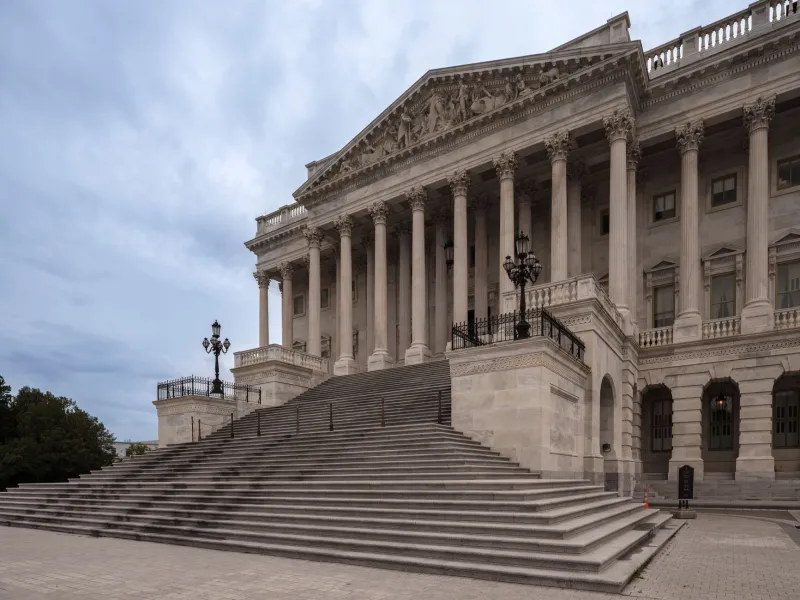
Photo: frankieleon, CC BY 2.0, via Wikimedia Commons
Among the nearly 49,000 petitions currently languishing in the federal clemency backlog, a quiet sorting process is underway — one that has little to do with rehabilitation, public safety, or the stated purposes of the pardon power. What it has everything to do with is the nature of the offense itself, the narrative that surrounds it, and the political cost of granting relief.
The result is an informal hierarchy of forgiveness — one that the system never openly acknowledges but consistently enforces.
The Crimes That Get Pardoned
Federal clemency data, analyzed across multiple administrations, reveals a striking concentration of grants among a narrow set of offense categories. Drug offenses — particularly nonviolent convictions tied to the crack-cocaine sentencing disparity — have received the most sustained clemency attention in recent decades, largely because advocacy organizations successfully reframed those cases around racial inequity and disproportionate sentencing.
Financial crimes occupy a complicated middle tier. White-collar offenses involving fraud, tax evasion, or securities violations have historically produced a disproportionate share of successful pardon applications relative to their prevalence in the federal prison population. Critics have long argued that this pattern reflects the social capital of applicants rather than the relative severity of their offenses. A first-time drug courier and a corporate executive convicted of wire fraud may serve comparable sentences, but their access to experienced legal counsel, political connections, and sympathetic media coverage diverges sharply — and the pardon data reflects that divergence.
Immigration-related offenses present yet another pattern. Convictions tied to unauthorized reentry or document fraud rarely produce successful clemency outcomes, despite the fact that many such cases involve individuals with deep community ties, family obligations, and no subsequent criminal history. The political volatility of immigration as a policy domain appears to suppress executive willingness to engage.
The Crimes That Remain Virtually Untouchable
At the far end of the spectrum sit categories that the pardon process has, for all practical purposes, abandoned.
Sex offenses carry a social stigma so profound that they create an almost insurmountable barrier to clemency consideration, regardless of the specific circumstances of the conviction, the age of the offense, or the individual's subsequent conduct. The Office of the Pardon Attorney's own guidelines treat these cases with heightened scrutiny, and no administration in recent memory has demonstrated meaningful willingness to engage with them as a class — even in cases where mandatory registration requirements have imposed lifelong consequences on individuals convicted of offenses that would carry far lighter penalties under current law.
Armed robbery and other violent offenses face similar resistance, despite the fact that recidivism research consistently shows that individuals convicted of violent crimes in their youth often demonstrate the most dramatic behavioral transformation over time. The victim impact narrative — powerful, emotionally resonant, and politically unassailable — functions as an effective veto in the clemency process, even when the petitioner has served a sentence far exceeding what retributive logic could justify.
Homicide convictions, including cases involving significant questions about prosecutorial conduct or inadequate defense representation, remain the rarest recipients of presidential clemency. The political calculus here is straightforward: no administration wants to own the narrative risk of pardoning someone later associated with further harm, regardless of how remote that possibility may be.
What the Patterns Reveal
Taken together, these patterns suggest that the pardon system functions less as a mechanism for correcting injustice and more as a political instrument calibrated to minimize reputational exposure. Offenses that can be reframed through sympathetic narratives — the nonviolent drug offender, the remorseful white-collar defendant, the elderly first-time felon — generate manageable political costs. Offenses that resist sympathetic reframing, regardless of the individual circumstances, generate costs that no administration has been willing to bear.
This is not justice. It is risk management dressed in the language of mercy.
The economic consequences of this selectivity are substantial and underappreciated. Individuals convicted of offenses in the "untouchable" categories face the same collateral consequences — employment barriers, housing exclusions, professional licensing restrictions, loss of public benefits — as those whose offenses generate more political sympathy. A pardon system that relieves some of these burdens while leaving others entirely intact does not reduce the aggregate economic drag of conviction records on the American workforce. It merely redistributes which communities bear that burden.
A Framework Built for Optics, Not Outcomes
The Department of Justice's formal pardon regulations offer no explicit offense-category hierarchy. The criteria focus on post-conviction conduct, acceptance of responsibility, and community standing — standards that, in theory, are offense-neutral. In practice, the discretionary layers of the process — from the Pardon Attorney's initial review to the Deputy Attorney General's recommendation to the President's ultimate decision — introduce human judgment at every stage. And human judgment, operating under political pressure, produces the patterns the data reveal.
Reform advocates have proposed several structural remedies. Some argue for offense-blind review panels composed of criminal justice professionals insulated from political appointment. Others advocate for presumptive eligibility rules that create a rebuttable presumption of pardon consideration for any individual who has completed their sentence and maintained a clean record for a defined period, regardless of offense category.
What the data make undeniable is that the current system's implicit offense hierarchy is not incidental — it is load-bearing. It sustains a clemency process that can claim symbolic legitimacy while avoiding the hard cases where the gap between formal justice and actual fairness is widest.
For the tens of thousands of petitioners whose offense categories place them outside the system's informal zone of sympathy, that gap is not an abstraction. It is the distance between a record that follows them everywhere and a life they have already rebuilt in every way that counts.